







September 20265 MIN READ
Bra Fitting Guide: How Should a Bra Fit?
A great fitting bra should feel comfortable, supportive, and almost invisible under your clothes - unless you’re embracing the ‘underwear as outerwear’ trend, of course! However, many women are wearing bras that don’t fit as well as they could. While this is often linked to wearing the wrong size, it could also be because many of us aren’t sure how a well-fitting bra should actually feel and look.
The good news? You don’t need to be a bra-fitting expert to spot the signs. In this guide, we’ll walk you through the four key fit points so you can easily check if your bra is working with your body, not against it.
The Four Faithful Fit Features
When checking how your bra fits, focus on these four essential areas:
- Underband
- Straps
- Cups and wires
- Centre front
Each area plays an important role in comfort and support, and if even just one of these fit points isn’t sitting correctly, your bra may not feel or perform as it should.
How Your Bra Underband Should Fit
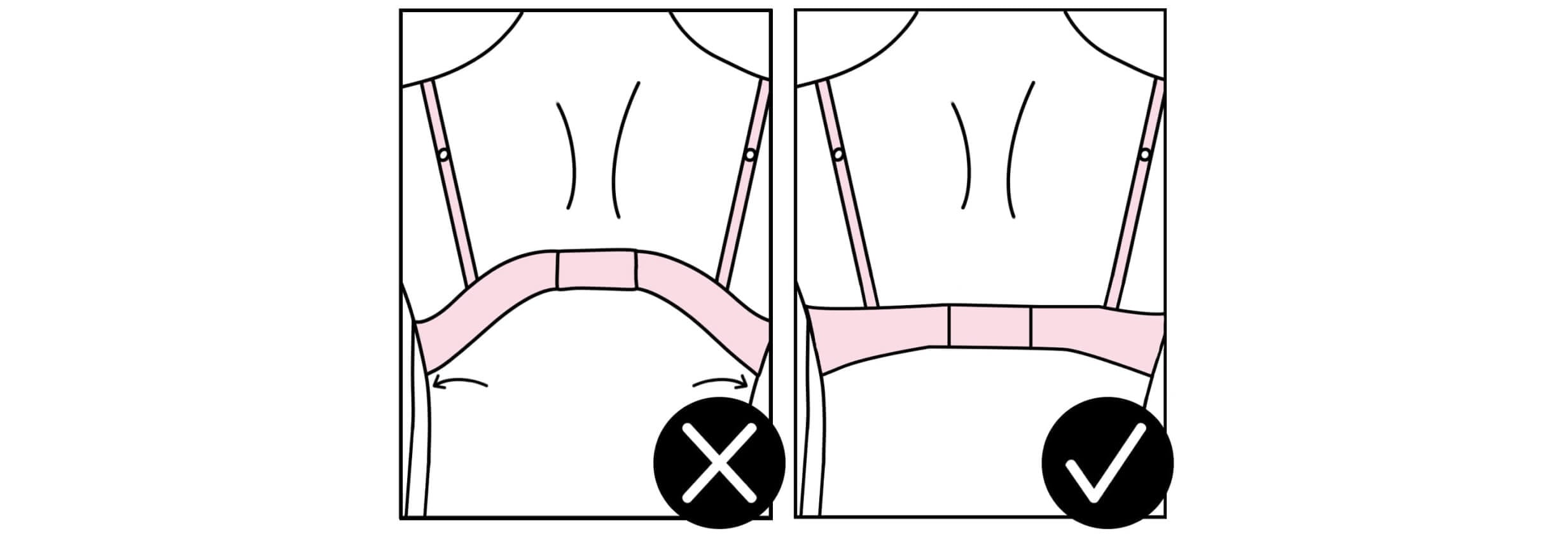
The underband is the foundation of the bra and is the area that provides most of the support. It should sit comfortably around your body, running horizontally across your back in line with the underwires at the front. A well-fitting underband should feel secure without digging into your skin or riding up at the back. You should be able to move comfortably throughout the day without constantly adjusting it.
If the band starts creeping upwards, feels loose, or shifts around as you move, then it's a sign the fit isn't quite right. Likewise, if it feels painfully tight or leaves deep marks, it may not be fitting comfortably.
How Your Bra Straps Should Sit
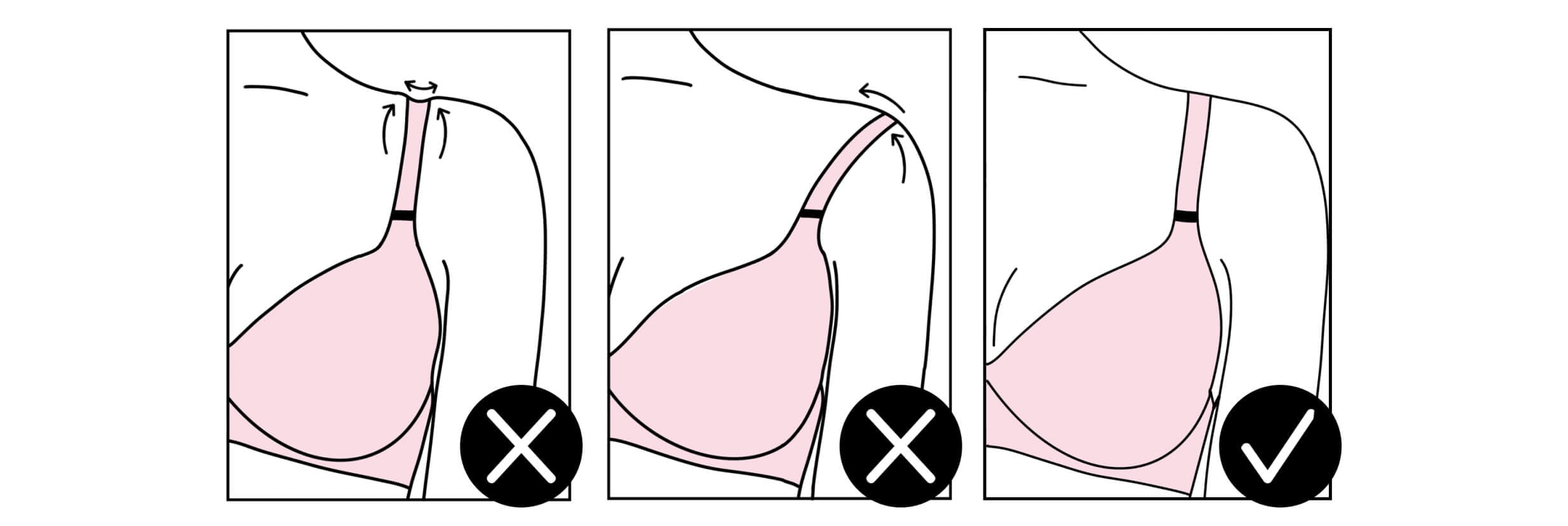
Your bra straps should stay comfortably on your shoulders without becoming something you constantly notice.
If your straps are slipping down, start by adjusting them to be tighter. Over time, bra straps naturally loosen with wear, so a quick tighten is often all that's needed. If they're still falling down after adjusting, or they're digging into your shoulders and leaving painful marks, your bra may not be providing support in the right places. While straps help lift and stabilise the cups, they shouldn't be doing all the work.
If you continue to experience problems after adjusting your straps, it may be worth checking your fit with our bra fitting guide or exploring sister sizing to find a more supportive fit.
How Your Bra Cups and Wires Should Fit
Your bra cups should completely contain your breast tissue without gaps, wrinkles or overspill. If you notice the fabric wrinkling or gaping, the cups aren't sitting smoothly against your bust. On the other hand, if breast tissue is spilling over the top, sides or underneath the cups, they're not providing the coverage you need.
An easy way to check is by trying a fitted top over your bra. This helps highlight any visible gaps, creases or bulging that may be less obvious otherwise.
Remember that different bra styles fit differently and create different shapes. A balconette, plunge or full cup can all feel slightly different even if they're technically the same size, so experimenting with different styles can help you find the most flattering and comfortable fit.
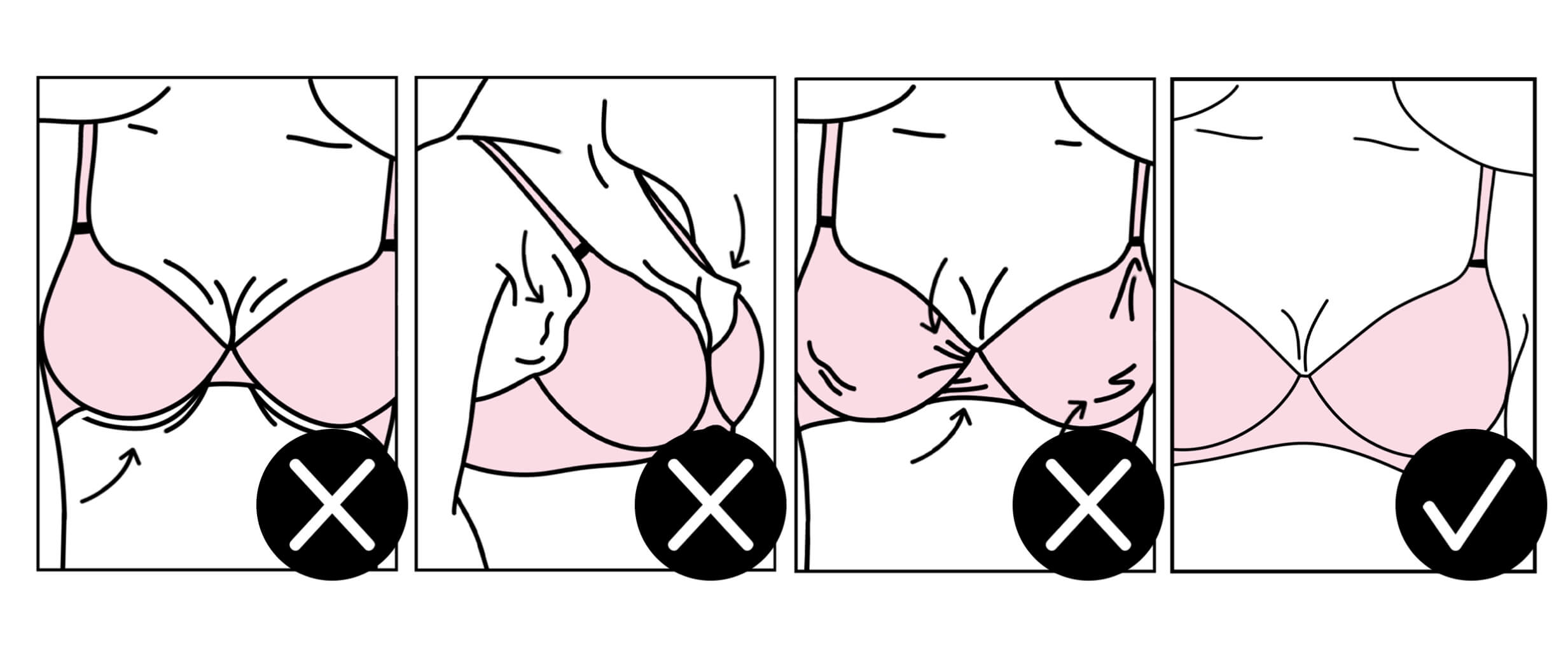
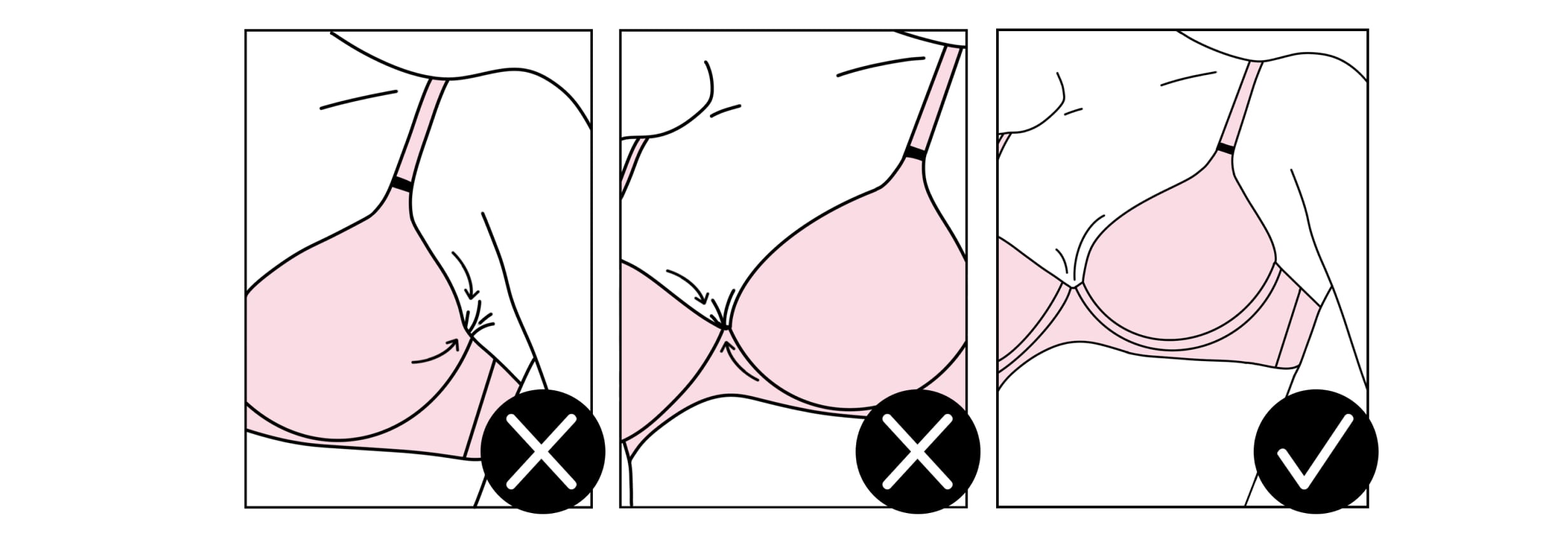
If your bra has underwires, they should surround your breast tissue completely without sitting on it. The wire should sit flat against your ribcage all the way around, following the natural outline of your breast. It shouldn't cut into breast tissue, poke under your arms or allow tissue to spill out underneath or at the sides.
A correctly fitting wire should feel supportive rather than noticeable. If you're aware of it throughout the day because it's digging in or moving around, it's a sign the fit needs adjusting.
How Your Bra Centre Front Should Sit
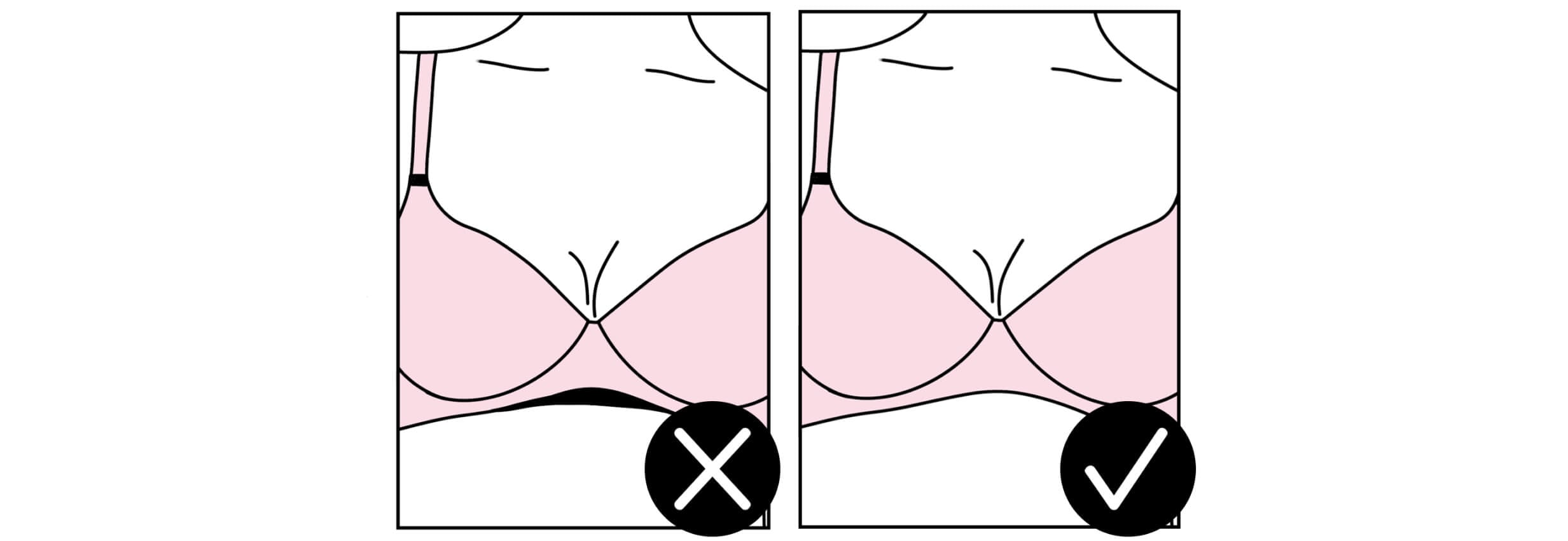
The centre front is the section of fabric between the cups. When your bra fits well, this piece should sit flat against your chest, resting comfortably between your breasts without digging in. If the centre front lifts away from your body, folds forward or presses painfully into your sternum or breast tissue, it's a key sign the bra isn't fitting as intended. Checking this small detail can make a big difference to both comfort and support.
FAQs
How do I know if my bra fits?
A well-fitting bra should feel comfortable and supportive across all four fit points. Check that the underband sits level, the straps stay comfortably in place, the cups are smooth without gaping or overspill, the wires fully surround your breast tissue, and the centre front lies flat against your chest.
What are the signs your bra is too big?
Common signs include a band that rides up at the back, cups that gape or wrinkle, straps that regularly fall down, and a centre front that doesn't sit flat against your body. If you're constantly adjusting your bra, it's worth reassessing the fit.
What are the signs your bra is too small?
If your bra feels too tight, you may notice breast tissue spilling over the cups, underwires digging into your skin or sitting on your breast tissue, and an underband that feels uncomfortable or leaves deep marks after wearing.
Why does my bra ride up at the back?
A bra that rides up usually means the underband isn't providing enough support. Start by fastening it on the loosest hook and checking the fit. If it still rides up, you may need a firmer-fitting band while adjusting the cup size accordingly to maintain a comfortable fit.
Why do my bra straps dig in?
Bra straps should provide gentle support, not carry the full weight of your bust. If they're digging into your shoulders, it often means the underband isn't holding enough of the support. A more supportive band can help reduce pressure on your shoulders and improve overall comfort.

A Comfortable Bra Starts with the Right Fit
When your bra fits well across all four key fit points, you'll notice the difference straight away. It should feel secure, supportive and comfortable from morning to evening, without constant adjusting or discomfort. If you're still unsure whether your bra is fitting correctly, don't guess. You can book a bra fitting with one of our expert fit specialists, who'll help you find your most comfortable fit with confidence. Ready to refresh your lingerie drawer? Shop our bra collection to discover supportive styles for every occasion, and complete your look by exploring our full knickers collection.